Over the years I have noticed that people speak so highly of democracy as though it is the one and only system that can possibly work in a civilised society. My views on democracy is that democracy always has and always will be a double-edged sword. On one hand we have the power and privilege to cast our vote and potentially shape our country’s future, a privilege that I will never take for granted. However on the other hand, a very important decision has been left in the hands of thousands of millions of idiots (including myself of course) to decide upon.
What goes hand in hand with this ideology of how inferior democracy is as a system to all other systems, is this need to comment on other nations without a democracy as though they are primitive in their ways and approach to different policies. Tyrants are not prevented through democracy, if anything one could argue that if a tyrant were given power in a democratic country, then the people only have themselves to blame.
People who usually want change when their lives are filled with discontent and what that change is even most of them don’t seem to know. This intrigues me as someone who has seen two polar opposites around the world: one being privileged yet discontent people, the other being people who are content with their lives and yet have so little entitlements compared to the citizens of many other well off countries. Although this is a slight generalisation, there is some logic behind it, although I won’t explain it now in this particular article, however there is a crucial point I would like to highlight: every nation has its issues and perhaps democracy isn’t the answer to all of them, because it certainly isn’t the answer to ours. It is merely a tool for the people to use, but that doesn’t necessarily mean it will solve the problems of a nation and in some cases it has done nothing but divide people.
This is not a condemnation of democracy, but merely a note that for one to think it is a perfect system would be borderline delusional.
If you are an architecture student/former student depending on what Architecture school you went/going to and what kind of students were/are there, you might find yourself in a very competitive environment for whatever reason. Some of these reasons may be because: some students are compared to one another from time to time, some students are incompetent at designing, some students think becoming an architect means they’re inferior, the list goes on and it could be for pretty much a number of different reasons. Despite how being competitive can push an individual to reach their full potential, it can also create a very toxic and to a degree a very destructive outcome. Students and architects alike are expected to work as a team and this is necessary to get the job done, however for the competitive students, they would rather aid themselves than support their fellow students working with them. Often this includes trying to get ahead of everyone who have put their trust in that person, only to screw them over. Another situation of note is the reluctance of students to be transparent with what they do, but making sure they know what everyone else is doing, which one may argue is a tad malicious. In various architecture schools, tutors expect the students to learn from one another, which depending on the students can be like trying to crack an egg with a feather…
Nonetheless one must ask themselves: surely this behaviour of competitiveness is necessary to be successful? From a boarder perceptive, the answer would be no. Every architecture student is different and architecture is incredibly subjective (which you would think was obvious). No matter what you produce as a design, not everyone will be fond of it and yet the vast majority of competitive students don’t seem to comprehend this. Everyone has their own style, so what are we even competing for? Perhaps if one had potential they wouldn’t have the need to compete? Although ‘compete’ is probably at this point the wrong choice of word, ‘sabotage’ seems more fitting. ‘Sabotaging’ the efforts of other hard working architecture students just to ‘get ahead’ whatever ‘getting ahead’ means. Architecture school is already a gruelling experience alone, so you would think everyone would be supportive of one another as a opposed to acting like venomous snakes. Taking part in design competitions and being hard working as an individual isn’t what is being disproved of in this argument, trying to ‘get ahead’ whatever as established ‘getting ahead’ even means, at the expense of other students is what should really be disapproved of. Everyone has something different to bring to the table and yet not everyone seems to grasp that. You can’t expect people to change but you can rant about it…Perhaps if anything is redundant it’s this bloody article you just read. Have a nice day.
There’s been a raising trend in most Architecture schools in which students who do well often plagiarise existing works, which often gets them the top grade. Of course for the students who try to be original, this doesn’t always work out unless they’re very lucky. The need for precedents has become compulsory as a means of justifying every design decision, which begs the question: where’s the precedent for that precedent and where’s the precedent for that precedent’s precedent? More importantly, where does the chain end? This is not an article condemning inevitable inspiration from others works, if anything that should be encouraged; however copying a design brick by brick, from plans, sections to elevations with no creative input is what seems to be the issue. It makes one wonder: what is the point in being an architect when the client can simply do the job that you can do; after all even the most incompetent of people can just trace over an existing project. What’s the point in putting thought, time and energy into a design that’s been carefully planned out, when someone else can just trace over your design in a third of the time with minutes to spare to make it more presentable?
Creativity, imagination and a good thought process are no longer necessary. You don’t have to be intelligent to do architecture either, perhaps just a tad bit manipulative. Of course every students circumstances are different and not every outcome for ones decisions are the same; however full on plagiarism is a trend that is growing very successfully and is a mockery to the people who’s designs have been stolen and even that is an understatement.
With an abundance of innovative designs and ideas, you would think students and architects would be inspired to recreate these various ideas or at least come up with new ones; instead it’s an excuse to become lazy and reuse existing works.
Perhaps that’s why becoming an architect takes so many years to qualify, if it was only a three year course: more people would qualify and more people would be an architect. Who knows maybe I’m wrong or at least I hope I’m wrong…
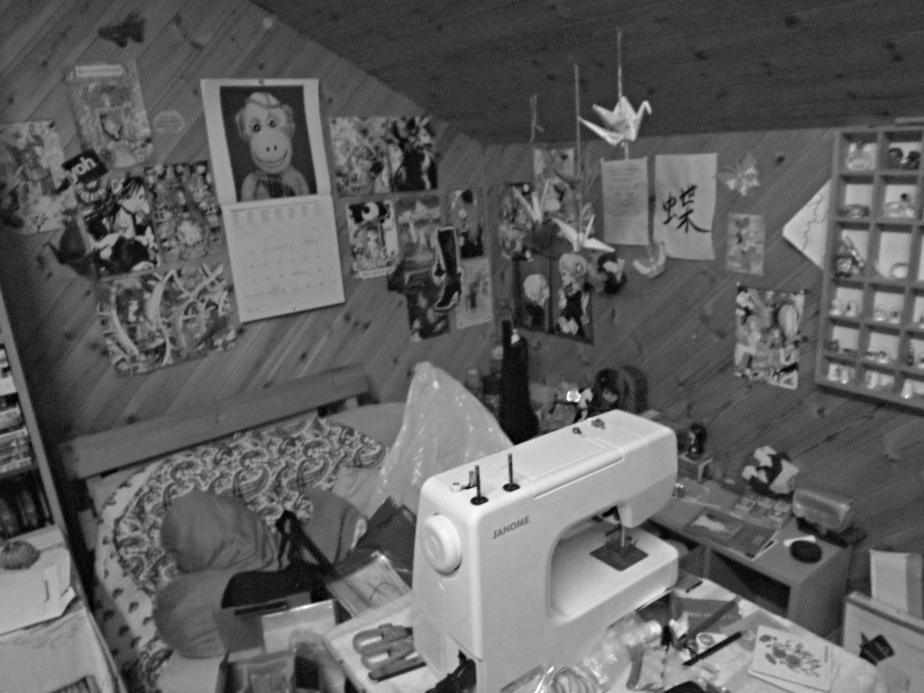
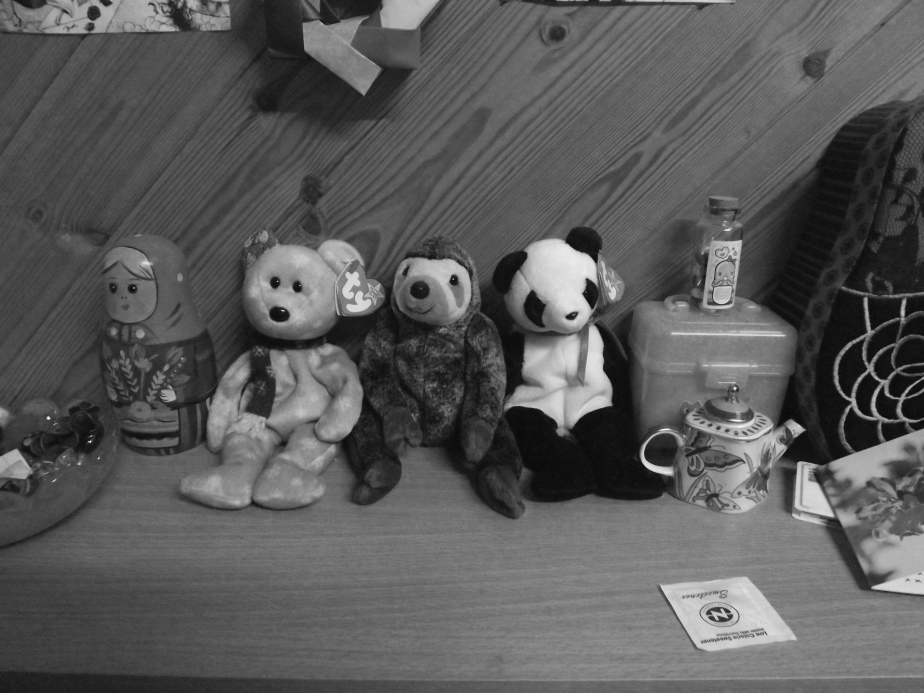
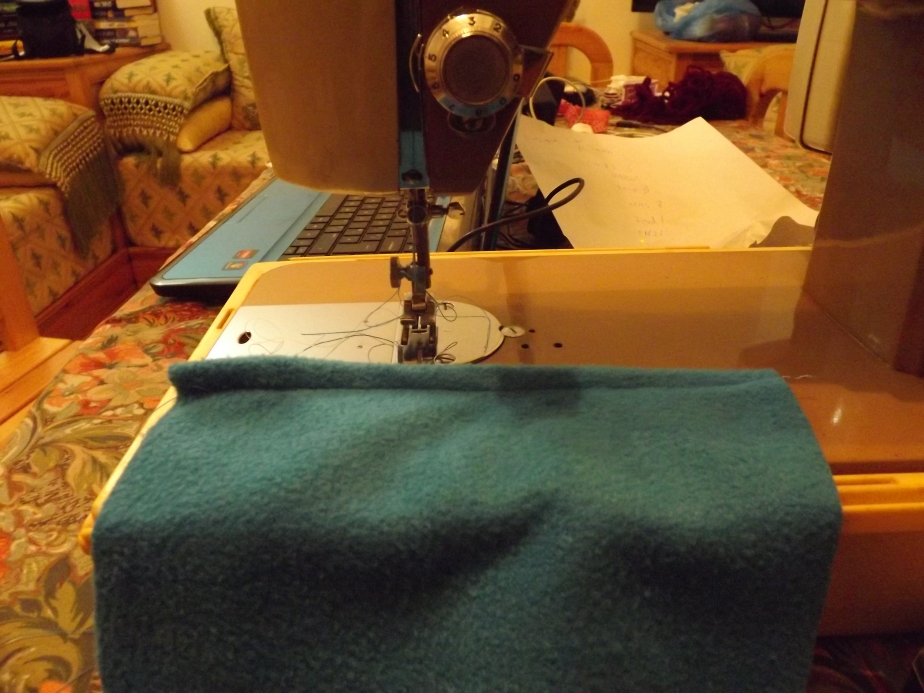
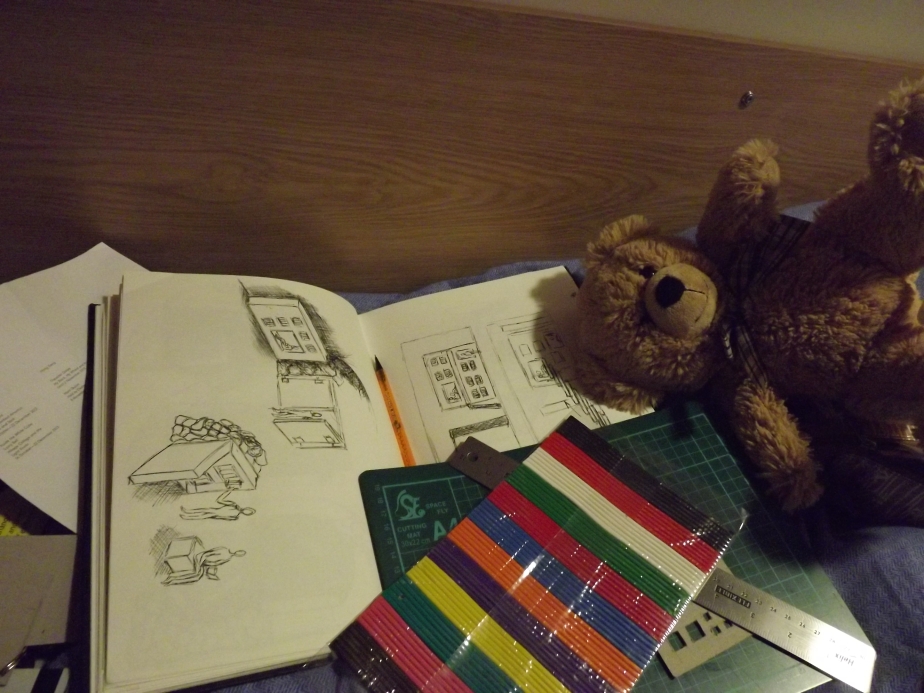
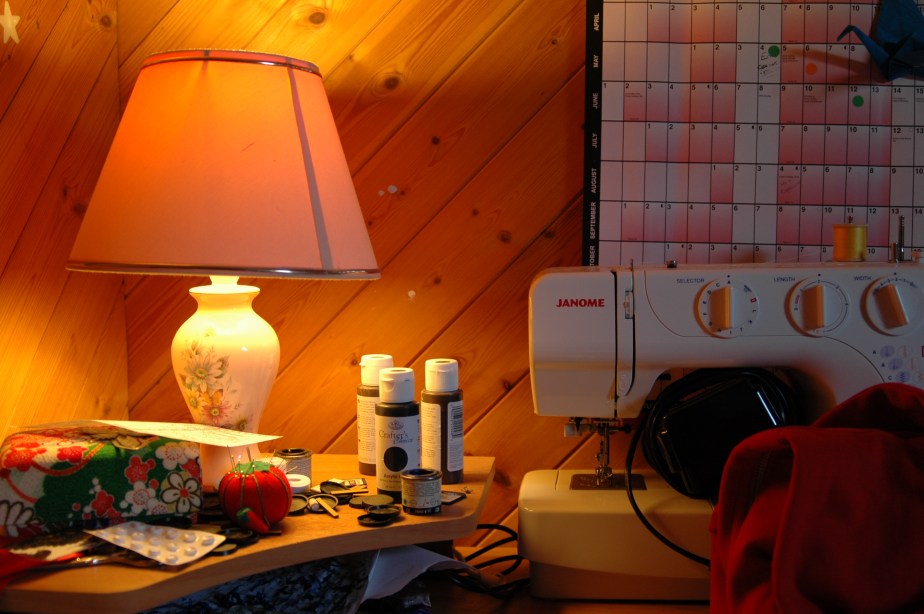
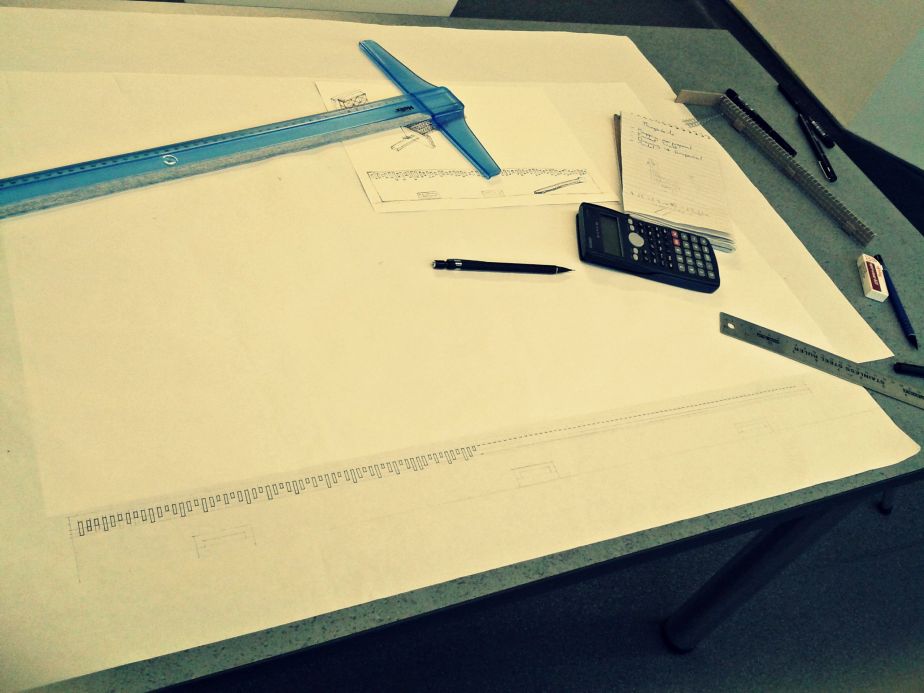
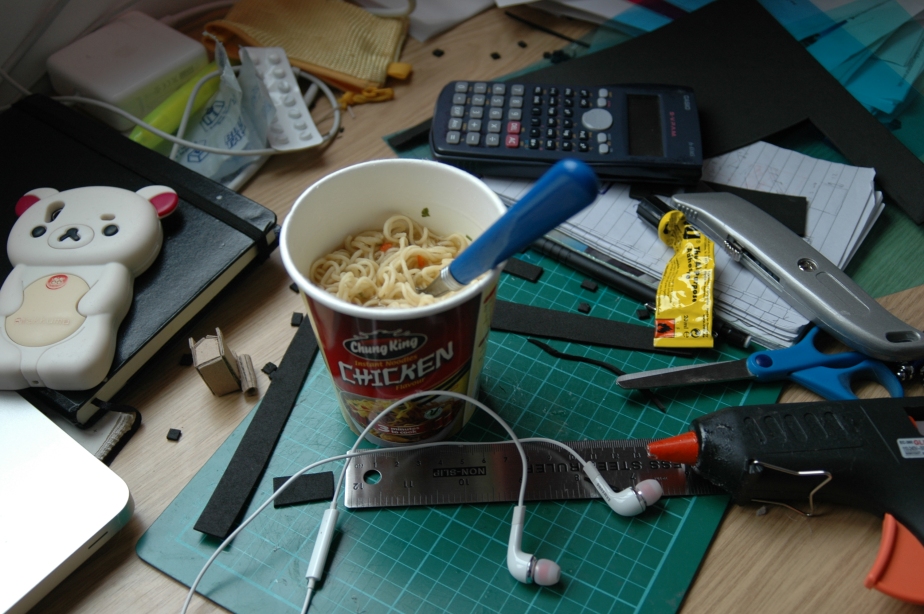
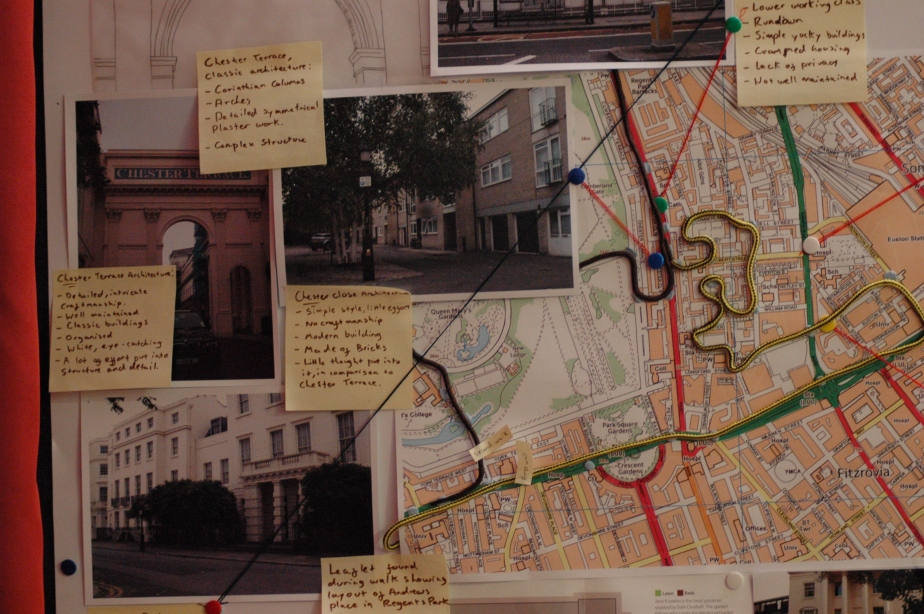
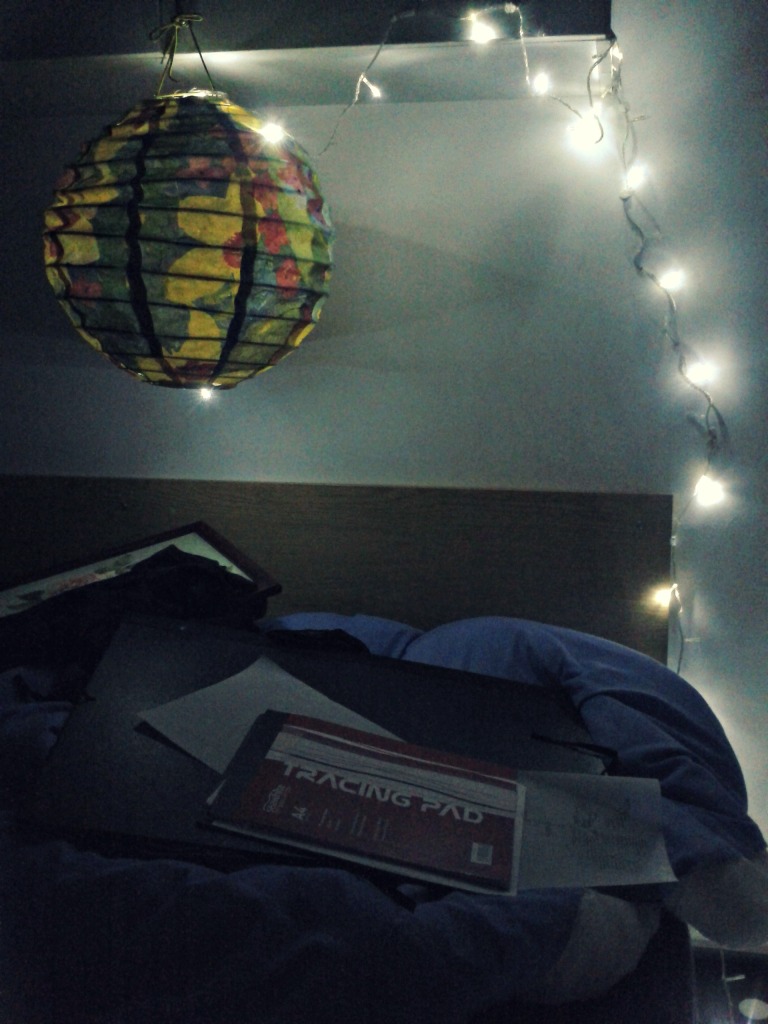
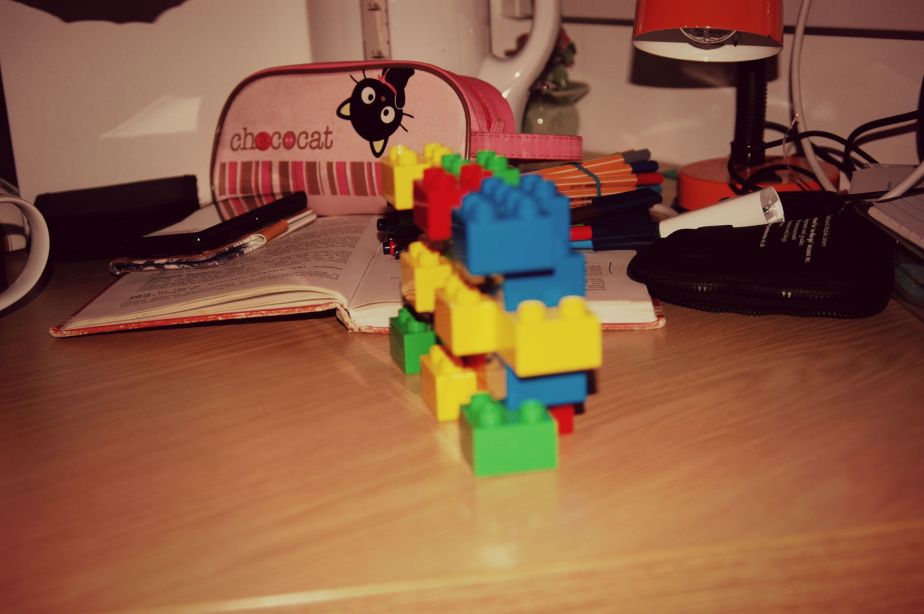
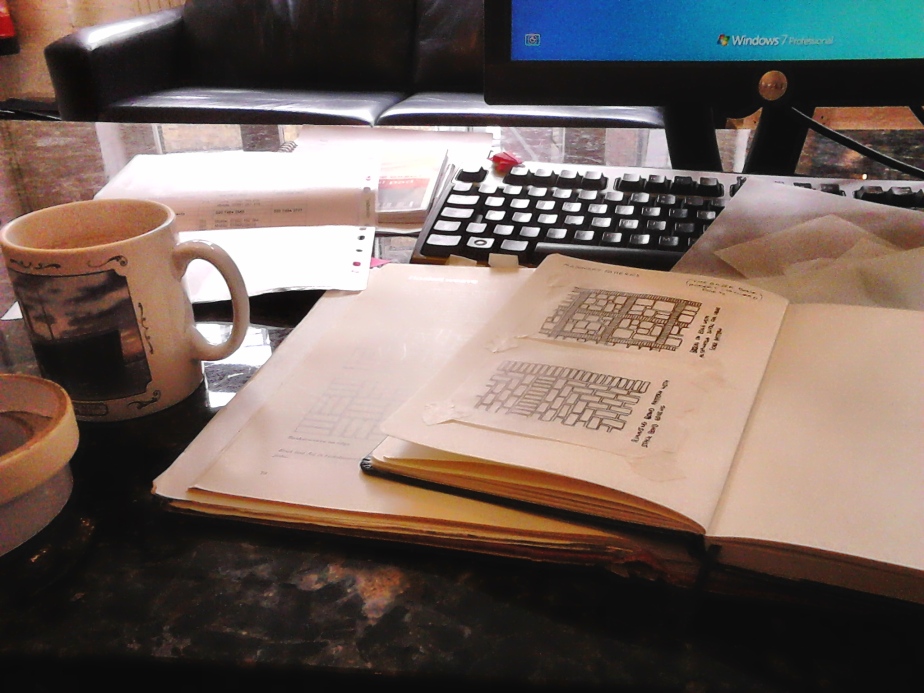
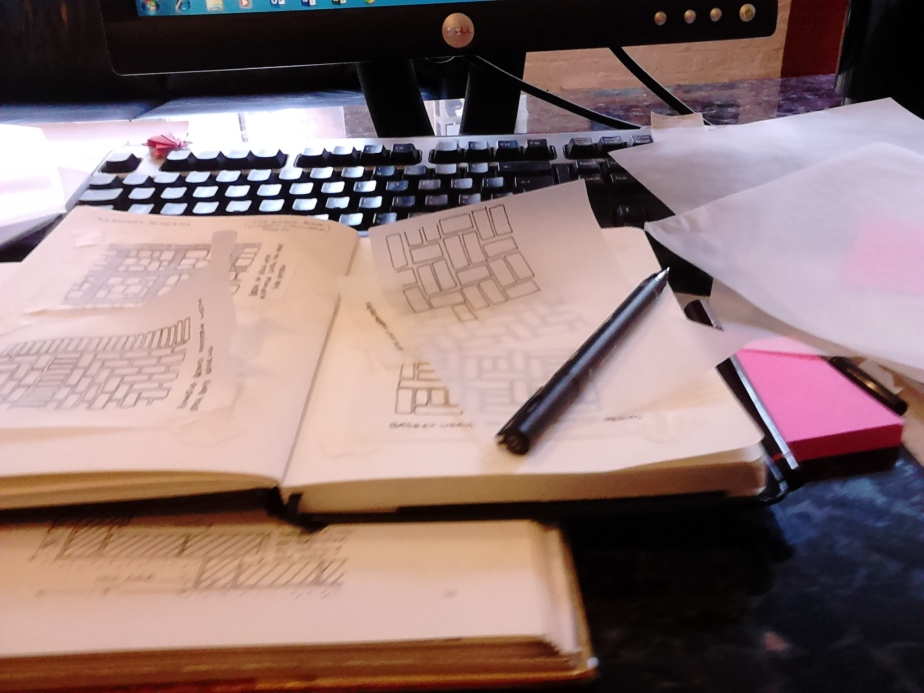
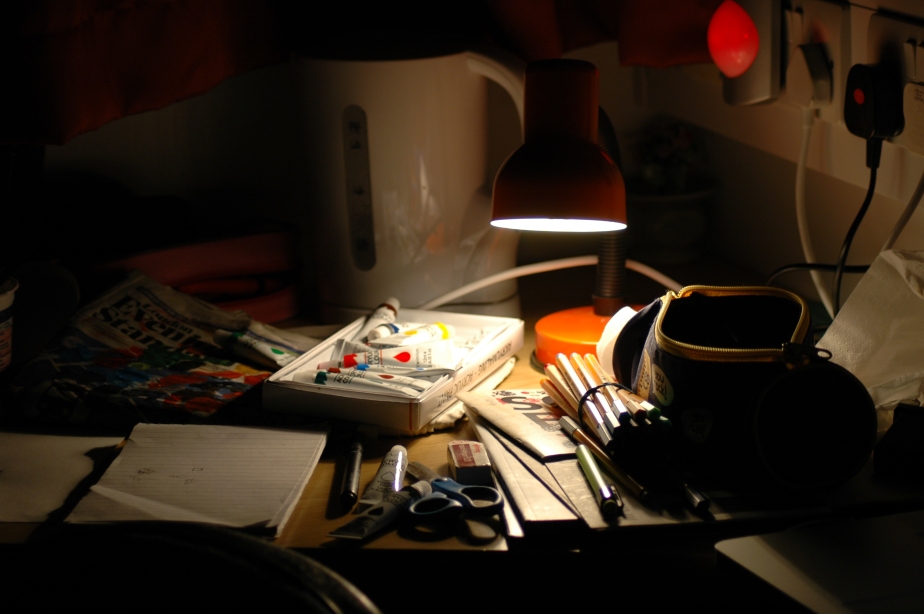
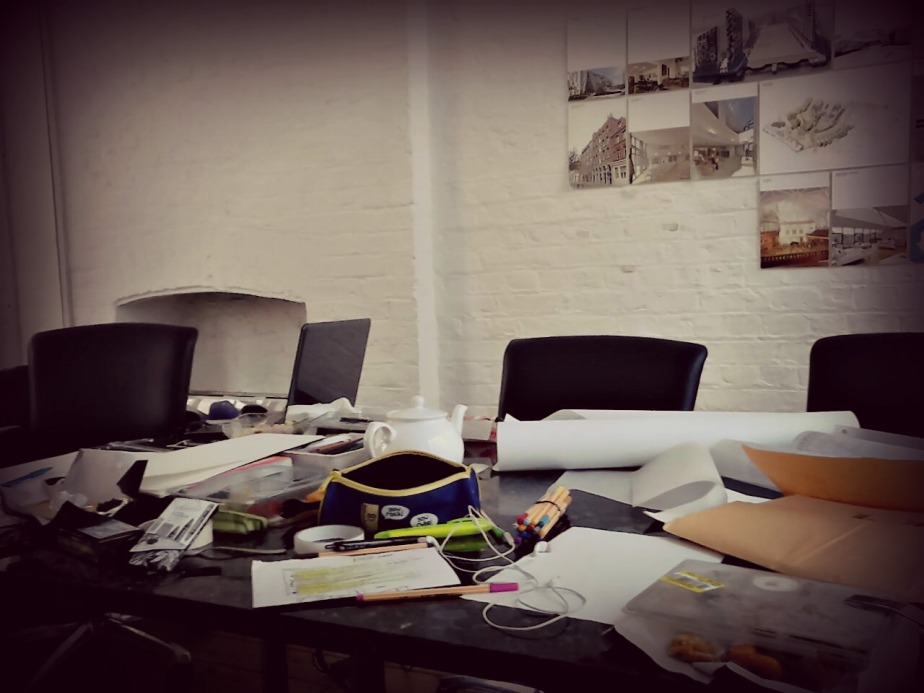
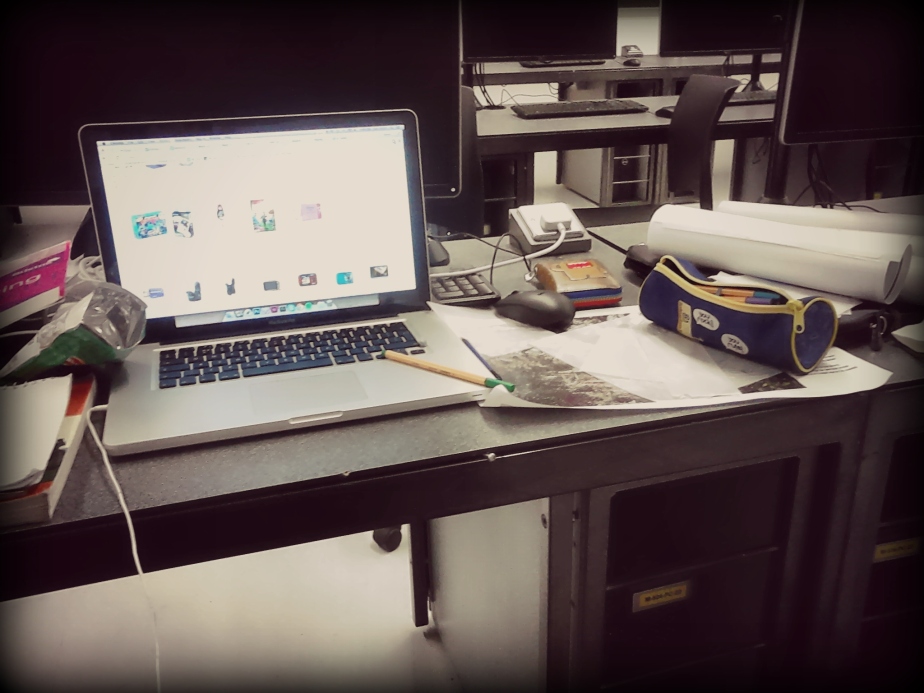
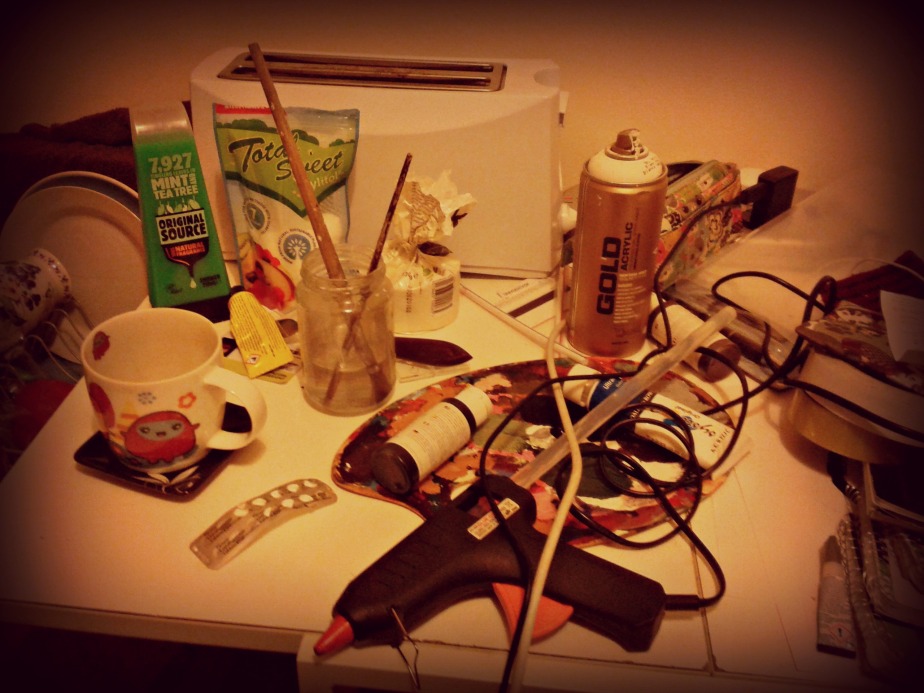
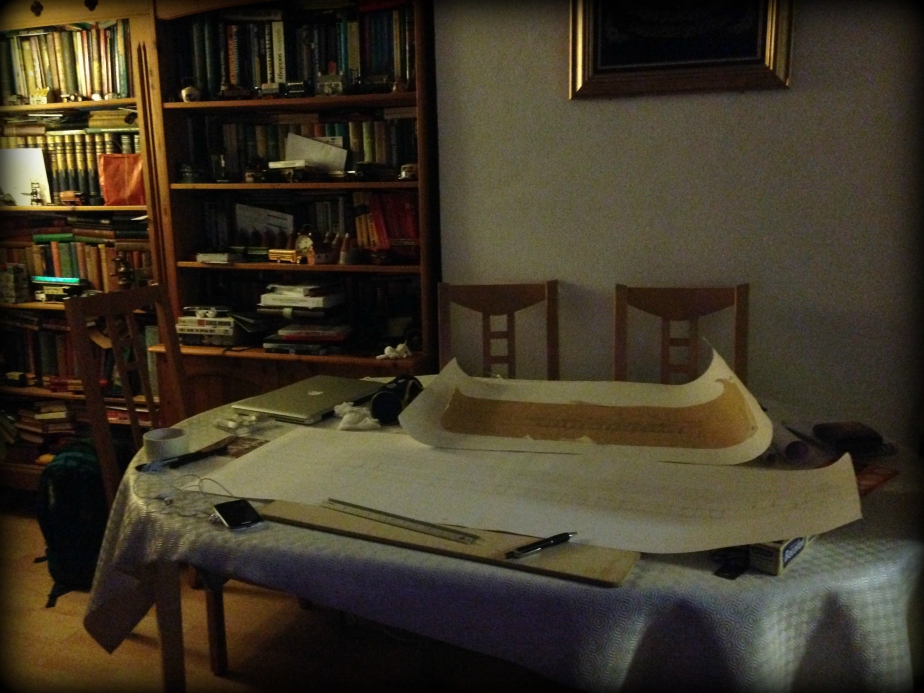
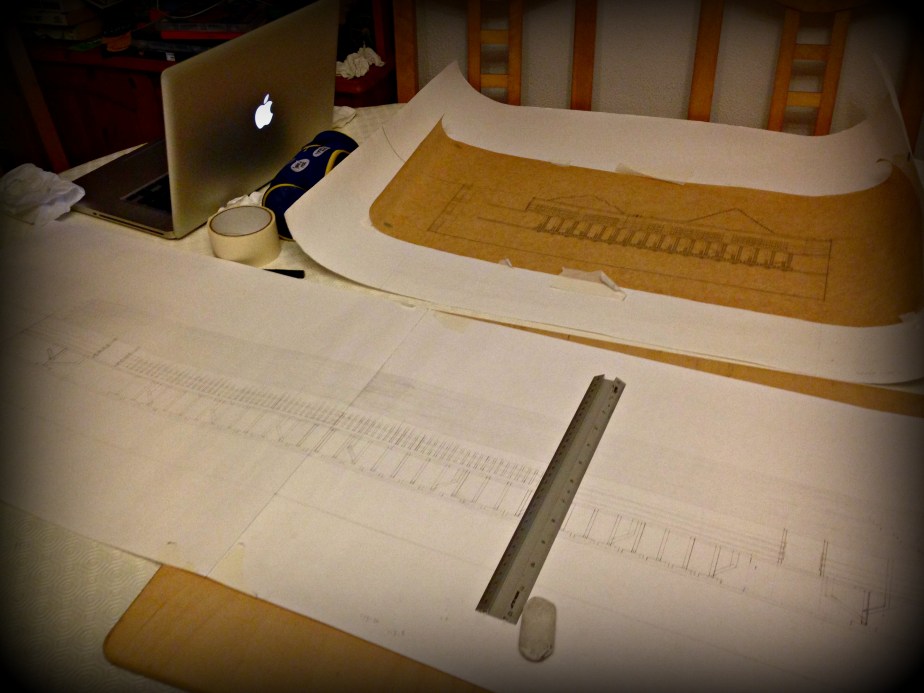
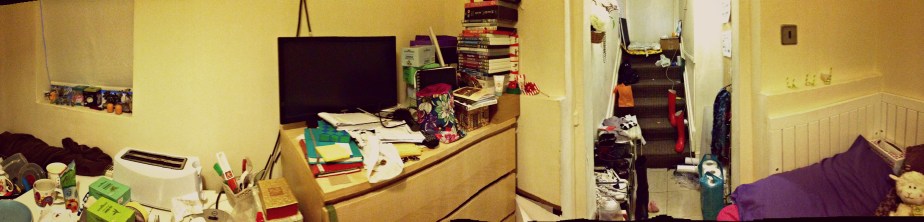
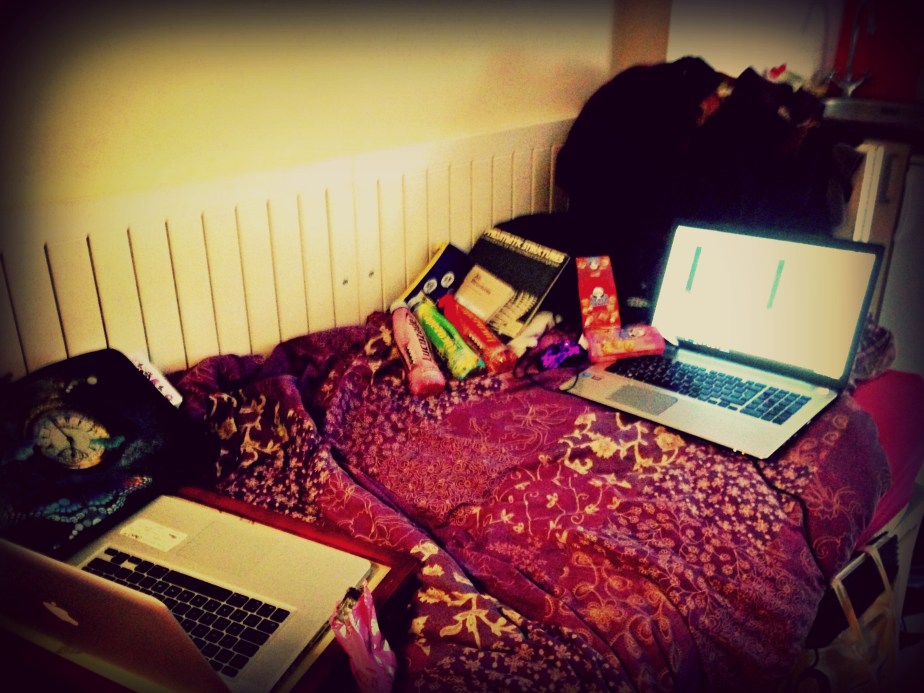
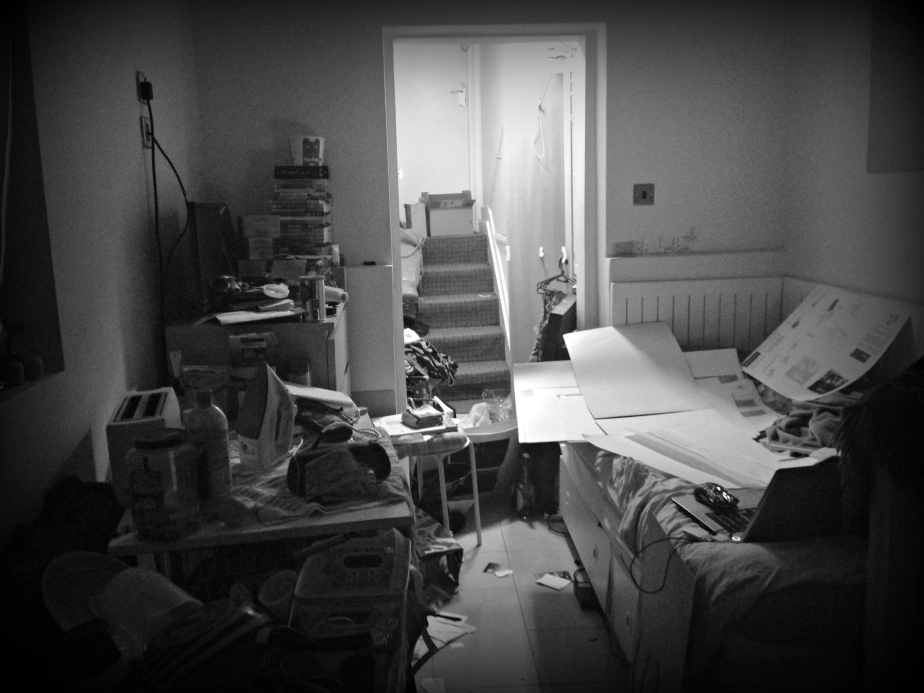
Work spaces whether it would be on the floor, desk, bed, wall, etc; it illustrates something productive taking place. When photographing my work spaces I noticed that that there was a huge reflection on my thought process and personal space. Photo quality and style may vary per picture, as these were taken throughout a few years and on various different cameras at random moments. Also a lack of consistency flows through the photos as each one tells a different story.
An old wall of inspiration that no longer exists. The wall was work in itself. (2012)Inspiration wall located behind the desk I use to sew on, paper cranes suspended from the ceiling. (2012)Side desk that was once located to my left hand side. Whilst I crafted something on the desk in front of me, objects and materials would be dumped on this side of my working space to make room for more mess. (2012)Painting hoodies on the floor. (2013)Sewing a onesie in Morocco. (2013)Too tired to leave my bed, so I might as well bring my work space to where I sleep. (2013)No time to move the tracing paper or compass, so I’ll have to dine with my own chaos. (2013)Various Projects to work on… (2014)My room was taken over by dozens of concept models, so the kitchen was the next place to be invaded. (2014)No time to cook or tidy. (2014)Had no room on my desk to layout my research, so the wall was the next best place. (2014)(2014)(2014)Lights, camera, trace. (2014)Corridor to my flat became a temporary gallery of productivity and reactions. (2015)lego brick experiment photo that ended up bringing more focus to the background where study took place. (2015)Focused. (2015)(2015)Working with bright lights was too overwhelming and stimulating, so painting in a dark room with a small light source was perfect. (2015)When two architecture students are given a huge table to work on… (2015)I’m usually tidy and like my things to be in order or in a particular place…I blame art and architecture for this disaster. (2015)The aftermath of an all-nighter…this wasn’t all the energy drinks, most of the empty cans were in a bag on the floor somewhere… (2015)Getting passionate about my project. A moment of false hope. (2015)The mess begins to grow: when where I cook, eat and work begin to merge. (2015)‘Dinning room out of use for a week’. (2016)When after weeks of blood, sweat and tears, your tutor throws more shade at you as a person than at your work, all because you didn’t steal someone else’s drawing…uh huh. (2016)A shaky panorama of the mess, the top of that staircase was where I began to work closer to deadlines due to poor wifi signal… (2016)Take a moment to appreciate this horror. (2016)When one laptop isn’t enough to complete my work load, nor is one energy drink as I begin to have more disregard for my health. The portfolio is no. 1 priority. (2016)When deadlines come close, care goes out the window…my flat becomes one big work space, as I pull out my iron not to use on clothes but on my work. (2016)
After living in London for a couple of years to study architecture, I missed out on most of the big changes that happened in my home town; one of these changes being the new fancy looking pedestrian crossing lights that have been imposed in some places. These crossing lights might be somewhere in London, but I have yet to come across one there.
What’s new about these Pedestrian crossings?
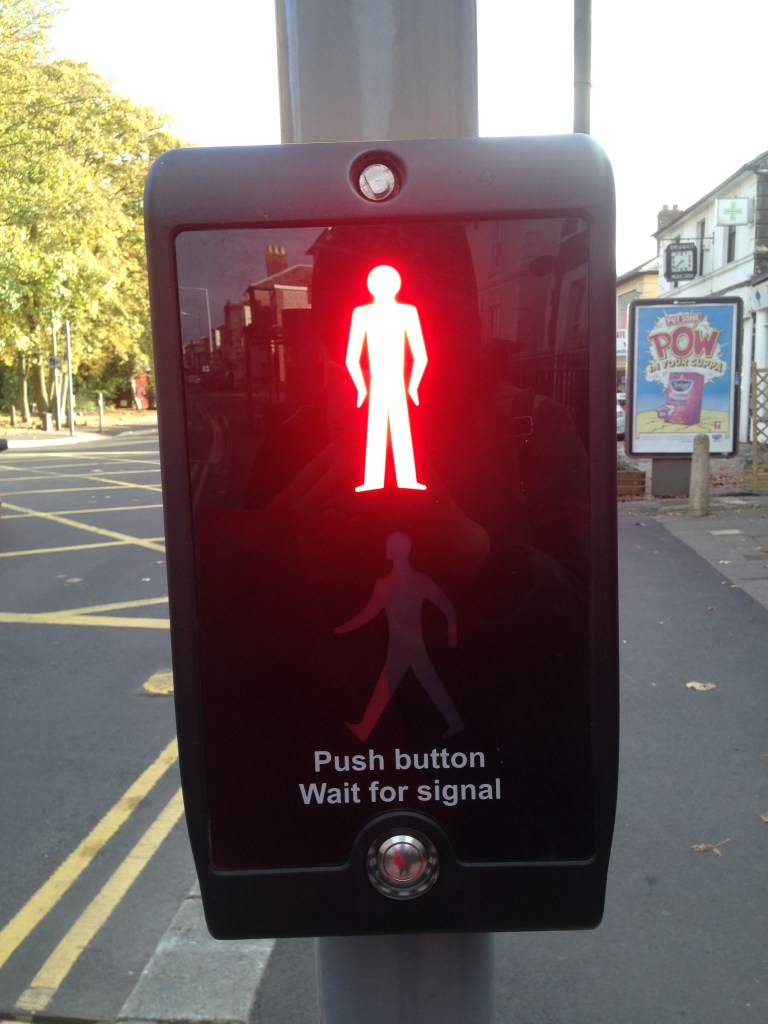
Instead of the old-fashioned and to an extent, internationally recognised lights that allow people to look up, across the road at a red or green man, these two coloured men have been moved to where you would press the button and wait.
Yeah, this thing.
For years we have all grown used to facing the direction in which we intend to walk in as it is convenient. That previous sentence is literally me stating the unnecessary obvious, which is actually painful but in this case necessary.
When I first encountered these pedestrian lights, after pressing the button I just stood waiting as you do. As I looked ahead I began to wonder when the lights were going to change (there weren’t any lights ahead but it hadn’t registered in my head yet…), only I hadn’t realised that they had already changed. There was no sound to indicate when this happened, which also didn’t help, and by the time I had noticed I presume the lights were about to change again, since the red man was already showing by the time I had reached the other side. Probably the most awkward pedestrian crossing I’ve had to use, was my first thought. But even that was an understatement. There was so much more to this that seemed completely off.
Whilst I was in architecture school, I felt as if I learnt more about how the world works then I did about buildings. When I started to really think about it, I realised exactly what was wrong about these pedestrians lights and just how awful and backwards they really are. At the beginning I tried giving it the benefit of the doubt, by convincing myself that I probably needed to get used to the idea of staring down to my side and break out of the old habit of looking across. That was until I realised that I wasn’t the only one finding these pedestrian lights awkward. As I walked by another pedestrian crossing with the same features, I noticed some seniors standing on the other side of the road waiting to cross; however the lights had already changed and it had taken a while for them to realise it. It was a two part crossing so once they had finally realised that the lights had changed it was too late, they ended up being stuck halfway.
Both seniors and younger people were finding these new pedestrian crossings just as awkward and unhelpful as I did. Normally I’m not one to waste my energy on focusing on things I disapprove of, but I think some of the issues with these new pedestrian lights need to be addressed.
Convenience
Going back to what I mentioned about convenience in facing the direction you’re walking in. What made the old (and current in most places) pedestrian crossing convenient was where it was positioned. Having it located across the road in a high spot allowed it to be visible to everyone of all heights, however this particular convenience is removed for whatever reason.
The new design restricts visibility of the pedestrian crossing lights, especially when there’s a lot of people and someone’s standing right in front of it. Taller people would also find it inconvenient especially when standing too close to the bloody thing. Regardless of one’s height, it is more convenient to look up across towards the direction you’re walking in then it is to look down to your side, that is if you can see anything at all.
Another issue with where it’s positioned is that you can’t see the lights as you cross the road, so there is no indication at to when pedestrians should start to hurry across.
Safety
The main issue for me however was how unsafe these new crossings seemed to be. Convenience was just a minor rant at the beginning and perhaps I may sound like I’m exaggerating about this point, however I do believe that there was a lack of thought and consideration put towards these new crossings on how they would affect the people using them. Due to the lack of clear indication of when the lights change due to their awkward positioning and lack of sound, the user doesn’t always immediately know when to cross the road. As a result individuals may cross just as the lights are about to change and because the pedestrian lights are not visible once someone has left the pavement, there’s no indication when the individual should start to walk faster or run if necessary, or even just remain on the pavement.
As you cross the road you can’t see when the lights are about to change, the crossing has no sound either (clearly a lot of thought went into this).
In central London where I had lived for some time, most of the pedestrian crossings had a countdown to give people an indication of when they needed to be at the other side of the road. That particular feature seemed to be a step forward in my opinion, so seeing that someone in the UK decided it was a good idea to remove any indication whatsoever of when the lights are about to change again, seems to be a huge step backwards however way I try to look at it.
Maybe there’s a good reason…?
At the beginning I didn’t want to lean on one side of the fence, I kept trying to think of good reasons for why this new design may have been imposed in the first place. Perhaps it was to save money on construction materials? Although I do wonder why repairing existing lights would cost more than making new ones from scratch? …Perhaps is it to encourage people to not cross the road last minute? …Perhaps they hadn’t considered the different possibilities as to how it could affect the public? Which I thought would have been their main priority in new designs that affect public safety.
In the end I couldn’t think of a decent reason as to why these new lights were imposed in the first place, if anyone out there knows what the reason is for the way these new pedestrian lights were designed, then I would be more than happy to hear it.
In all honesty it wouldn’t have been a bad idea if the old pedestrian crossing at the other side of the road had remained, with the new one being an additional feature for children or shorter people to look at, but sadly we can’t have both.
The ones I used didn’t have sound which made things even worse. Although there are some locations which use sound to indicate when to cross, which may solve the problem a little, however it is still a disadvantage to those who may have impaired hearing. There’s always room for improvement with anything, even for pedestrian crossings old or new. We can’t address every single issue, but even that doesn’t seem to justify in my opinion the enormous step back that’s been taken.
Final thoughts
The pedestrian lights don’t have to be perfect, but points need to be considered:
-Are the lights visible to most of the pedestrians using them?
-Is it immediately obvious when pedestrians should cross?
-Is it even safe to use?
No, no and no you might as well jaywalk it, that seems to be a much safer option since it requires you to look at whether the cars are coming, and not rely on a green light you can’t even see.
In a way, you could argue that these pedestrian lights show just how much we took the old ones for granted by their overall safety and convenience.
This piece was inspired and conceived by the theme of death and decay. Some of the shapes created mimic features that include a rib cage, wings/feathers, decomposing flesh and many more. After making this sculpture, I used the best photograph of it to create a variety of visual outcomes.
The composition was eventually used to influence my third year design work at architecture school, as a landscape concept for my proposal.













 HANA
HANA 