Why Competing in Architecture school is redundant (The Toxic world of Architecture school)

another mess

If you are an architecture student/former student depending on what Architecture school you went/going to and what kind of students were/are there, you might find yourself in a very competitive environment for whatever reason. Some of these reasons may be because: some students are compared to one another from time to time, some students are incompetent at designing, some students think becoming an architect means they’re inferior, the list goes on and it could be for pretty much a number of different reasons. Despite how being competitive can push an individual to reach their full potential, it can also create a very toxic and to a degree a very destructive outcome. Students and architects alike are expected to work as a team and this is necessary to get the job done, however for the competitive students, they would rather aid themselves than support their fellow students working with them. Often this includes trying to get ahead of everyone who have put their trust in that person, only to screw them over. Another situation of note is the reluctance of students to be transparent with what they do, but making sure they know what everyone else is doing, which one may argue is a tad malicious. In various architecture schools, tutors expect the students to learn from one another, which depending on the students can be like trying to crack an egg with a feather…

Nonetheless one must ask themselves: surely this behaviour of competitiveness is necessary to be successful? From a boarder perceptive, the answer would be no. Every architecture student is different and architecture is incredibly subjective (which you would think was obvious). No matter what you produce as a design, not everyone will be fond of it and yet the vast majority of competitive students don’t seem to comprehend this. Everyone has their own style, so what are we even competing for? Perhaps if one had potential they wouldn’t have the need to compete? Although ‘compete’ is probably at this point the wrong choice of word, ‘sabotage’ seems more fitting. ‘Sabotaging’ the efforts of other hard working architecture students just to ‘get ahead’ whatever ‘getting ahead’ means. Architecture school is already a gruelling experience alone, so you would think everyone would be supportive of one another as a opposed to acting like venomous snakes. Taking part in design competitions and being hard working as an individual isn’t what is being disproved of in this argument, trying to ‘get ahead’ whatever as established ‘getting ahead’ even means, at the expense of other students is what should really be disapproved of. Everyone has something different to bring to the table and yet not everyone seems to grasp that. You can’t expect people to change but you can rant about it…Perhaps if anything is redundant it’s this bloody article you just read. Have a nice day.
What is even the point of an Architect? ‘Qualifying to be a scammer’

mess

There’s been a raising trend in most Architecture schools in which students who do well often plagiarise existing works, which often gets them the top grade. Of course for the students who try to be original, this doesn’t always work out unless they’re very lucky. The need for precedents has become compulsory as a means of justifying every design decision, which begs the question: where’s the precedent for that precedent and where’s the precedent for that precedent’s precedent? More importantly, where does the chain end? This is not an article condemning inevitable inspiration from others works, if anything that should be encouraged; however copying a design brick by brick, from plans, sections to elevations with no creative input is what seems to be the issue. It makes one wonder: what is the point in being an architect when the client can simply do the job that you can do; after all even the most incompetent of people can just trace over an existing project. What’s the point in putting thought, time and energy into a design that’s been carefully planned out, when someone else can just trace over your design in a third of the time with minutes to spare to make it more presentable?

Creativity, imagination and a good thought process are no longer necessary. You don’t have to be intelligent to do architecture either, perhaps just a tad bit manipulative. Of course every students circumstances are different and not every outcome for ones decisions are the same; however full on plagiarism is a trend that is growing very successfully and is a mockery to the people who’s designs have been stolen and even that is an understatement.

With an abundance of innovative designs and ideas, you would think students and architects would be inspired to recreate these various ideas or at least come up with new ones; instead it’s an excuse to become lazy and reuse existing works.

Perhaps that’s why becoming an architect takes so many years to qualify, if it was only a three year course: more people would qualify and more people would be an architect. Who knows maybe I’m wrong or at least I hope I’m wrong…


A glimpse of Moroccan Architectural craftmanship

type 1

Photos taken from around Rabat, showing close ups of the exquisite detail that goes into these ornamental construction works represented by different materials.

DSCF1564

A mosaic entrance found in an alleyway.

Moroccan colour

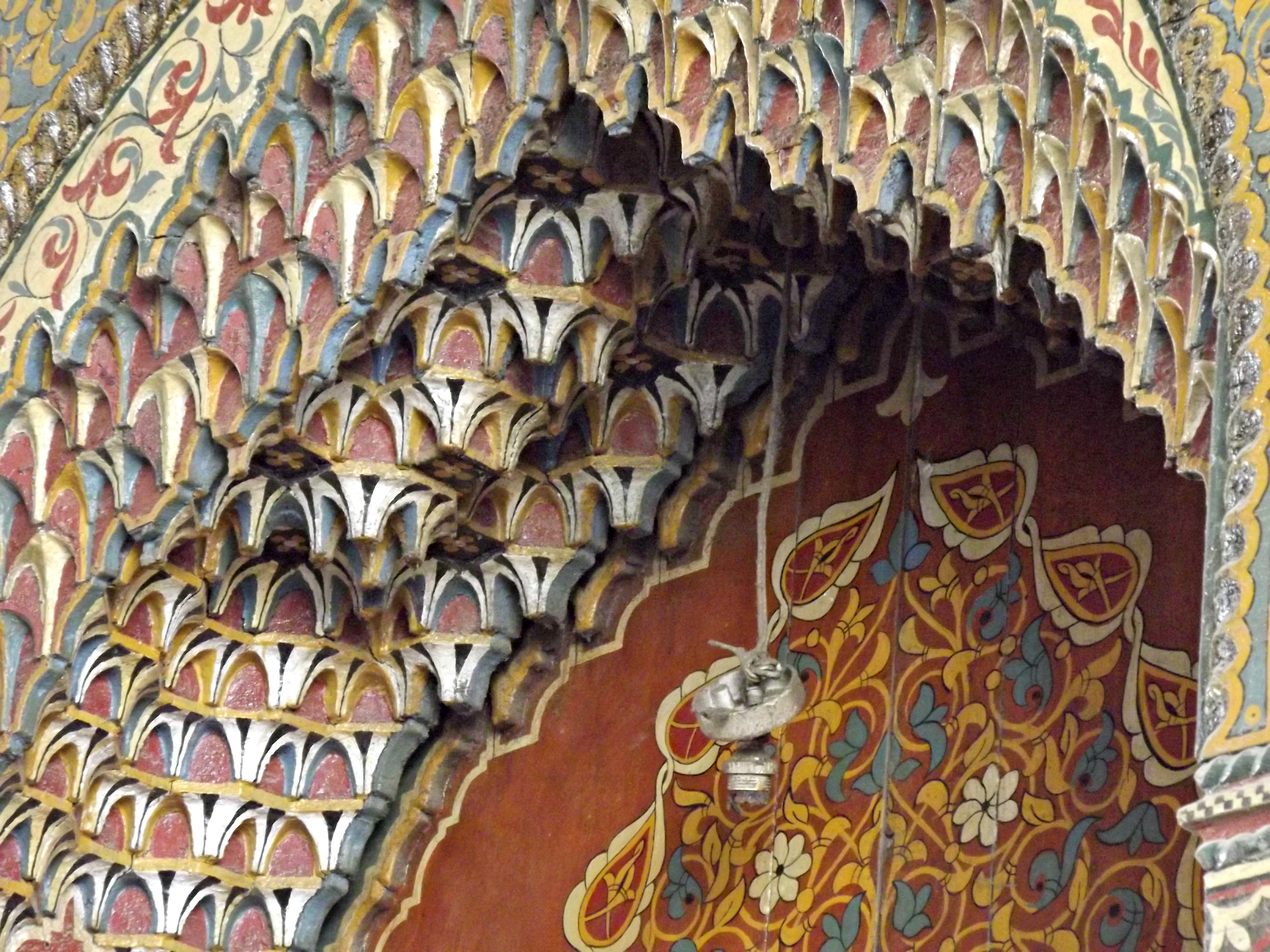
Close up of a fragment of the entrance; carved from wood the various forms that have been carefully shaped have been painted so that each angle of each individual form corresponds with the same colour, giving this visually dynamic decorative structure a balance with its orderly paintwork. Although the immense approach with this particular ornamental style contrasts with the carefully laid out colours, these two features also compliment each other with one being lively and the other taking on a more controlled approach. The overall construction evokes a sense of harmony and rhythm through its visual features.

DSCF1533

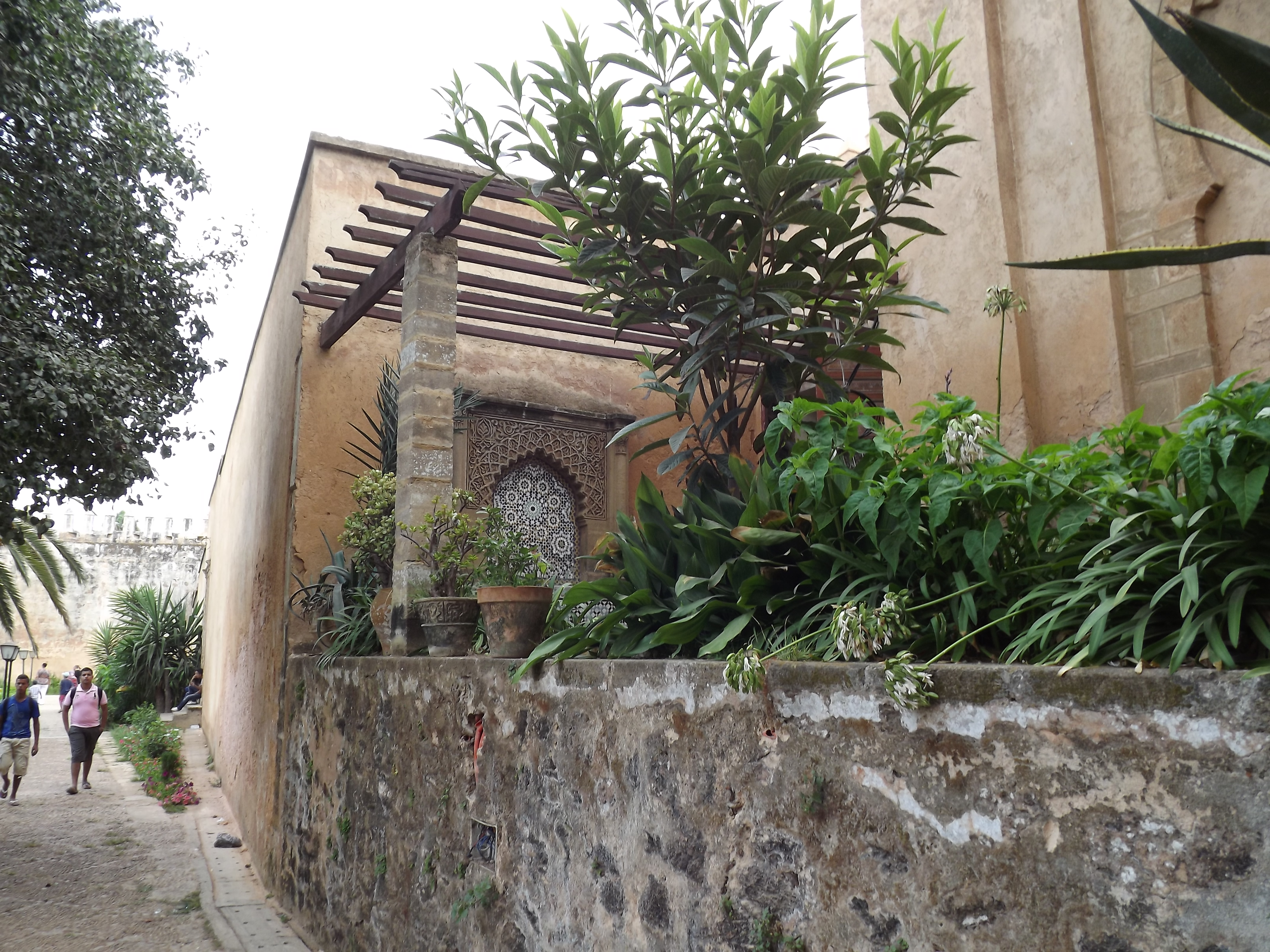
The fountain under a mosaic wall; the mosaic is the first thing our eyes are drawn to when glancing at these arch-like structures that are lined along the wall. The next thing our eyes are drawn towards is the fountain, in a way this represents how architecture could visually communicate with its users. From far away we can identify the location of the fountain or anything that is of importance to its users through something that attracts attention to the eye from its surroundings.

DSCF1534

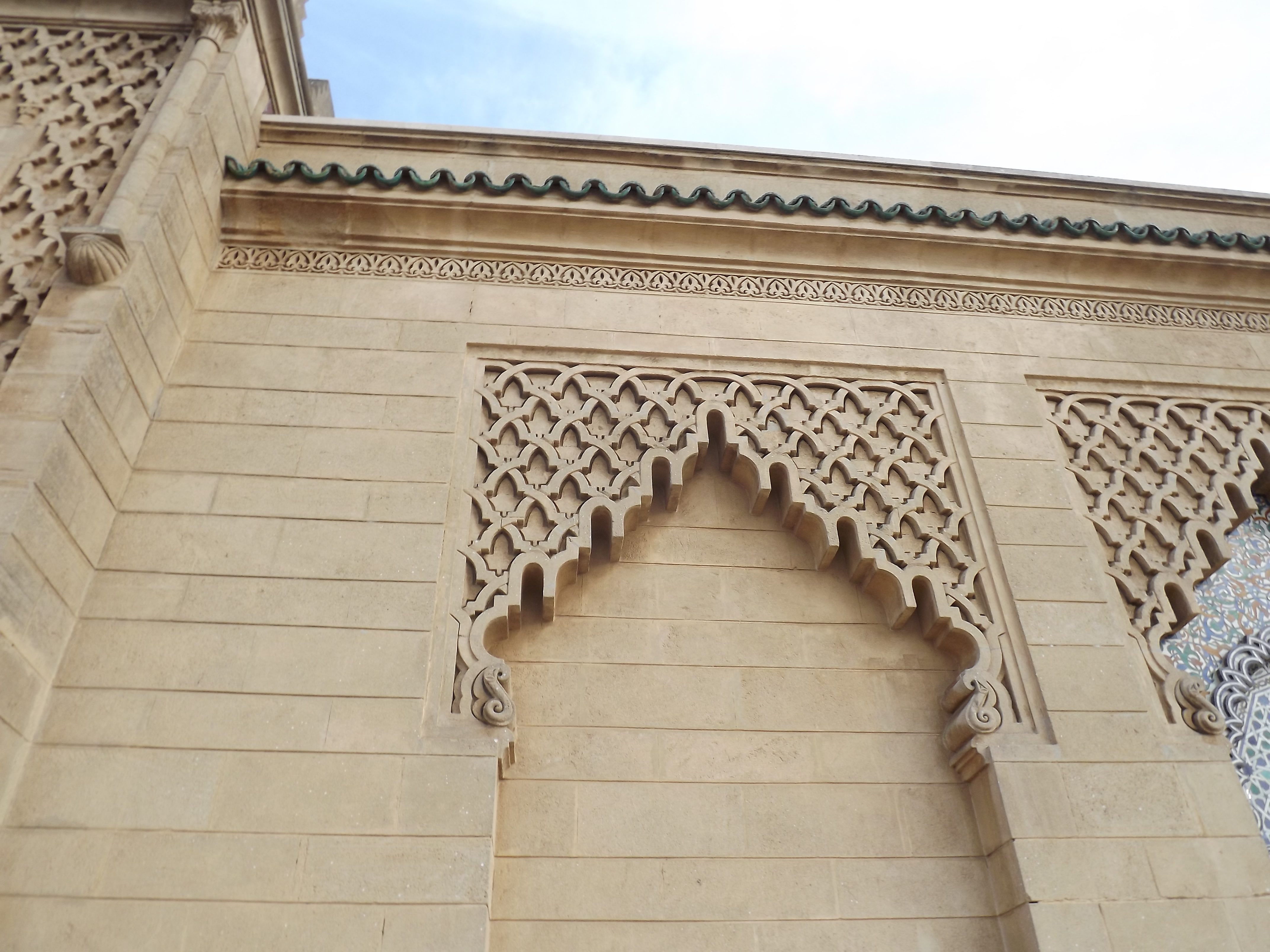
Close up of the arch-like structure in the wall; repetition and symmetry are the two features that give this construction piece ornamental value, making it a refined architectural composition.

DSCF1599

Final example of Moroccan craftsmanship, showing how well ornamental architecture can display itself amongst trees, plants and other forms of nature.

Cardboard Platform

DSCF2419

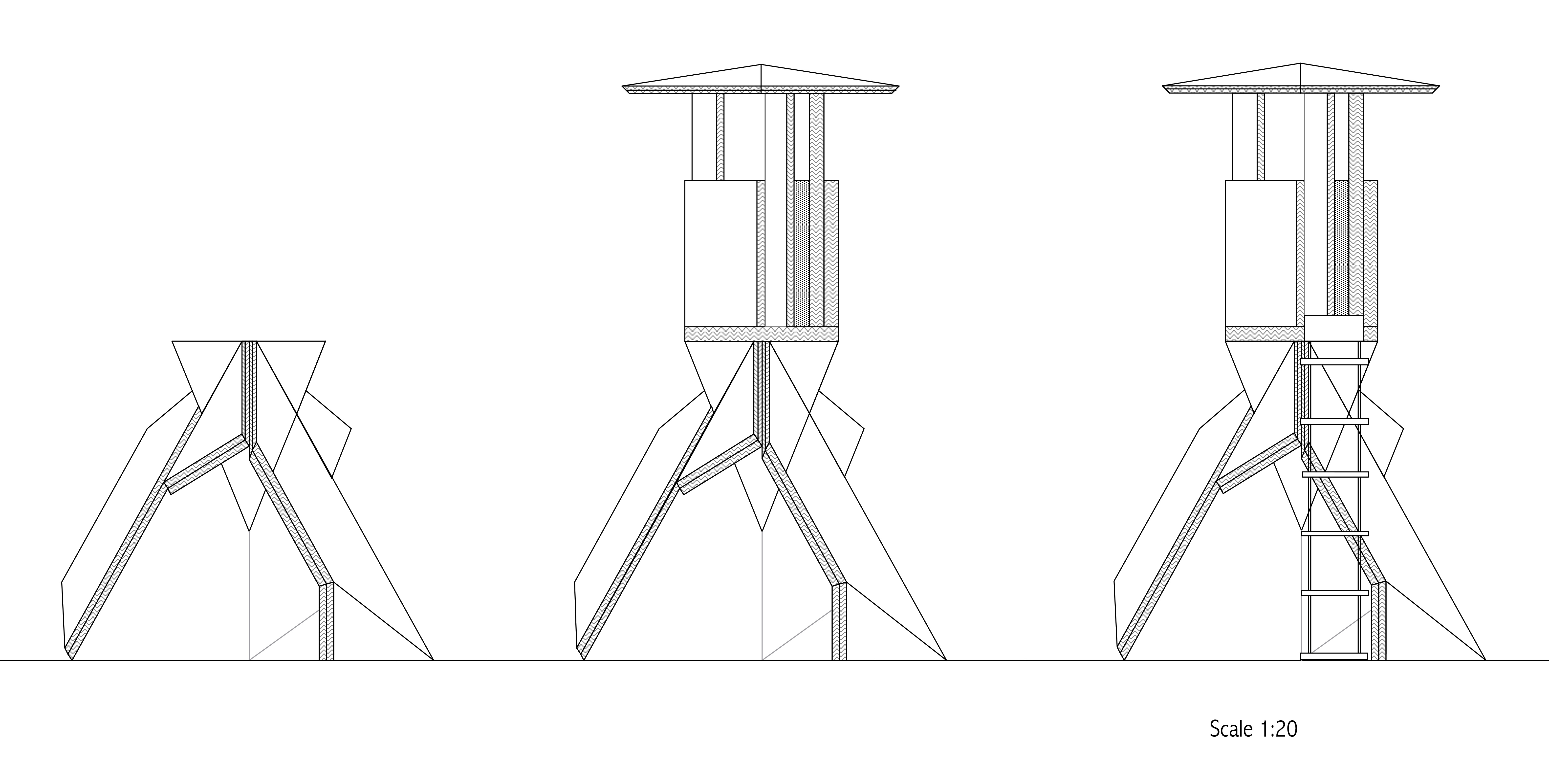
One of our modules during my course involved making a platform, like the ones used for safeguards. The design was based on an origami shape I designed from experimenting with one particular origami fold. This particular structure for the base was strong and efficient. I decided to use corrugated cardboard as it’s an easy material to handle and to some extent reusable. Corrugated cardboard has also been used to make furniture and buildings before, so using it to make a platform can be effective. Although it might never be used for the beach due to the fact that it’s not waterproof, it’s still useful as a temporary structure for other locations as a look out or even looking at the view with less construction work and cheaper materials. There are many possibilities for this.

platform

Moroccan Atrium

DSCF1577

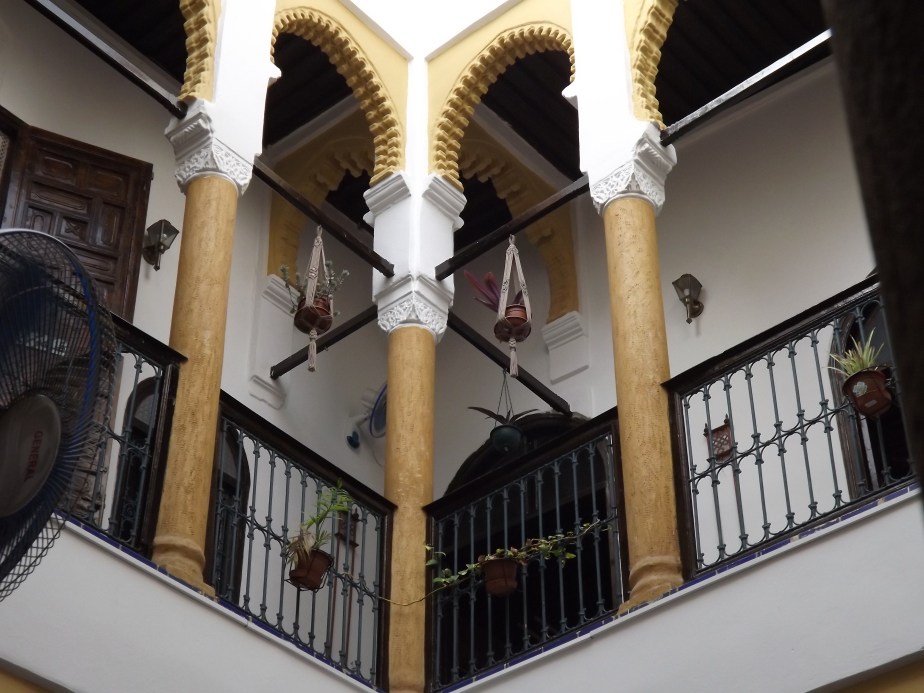
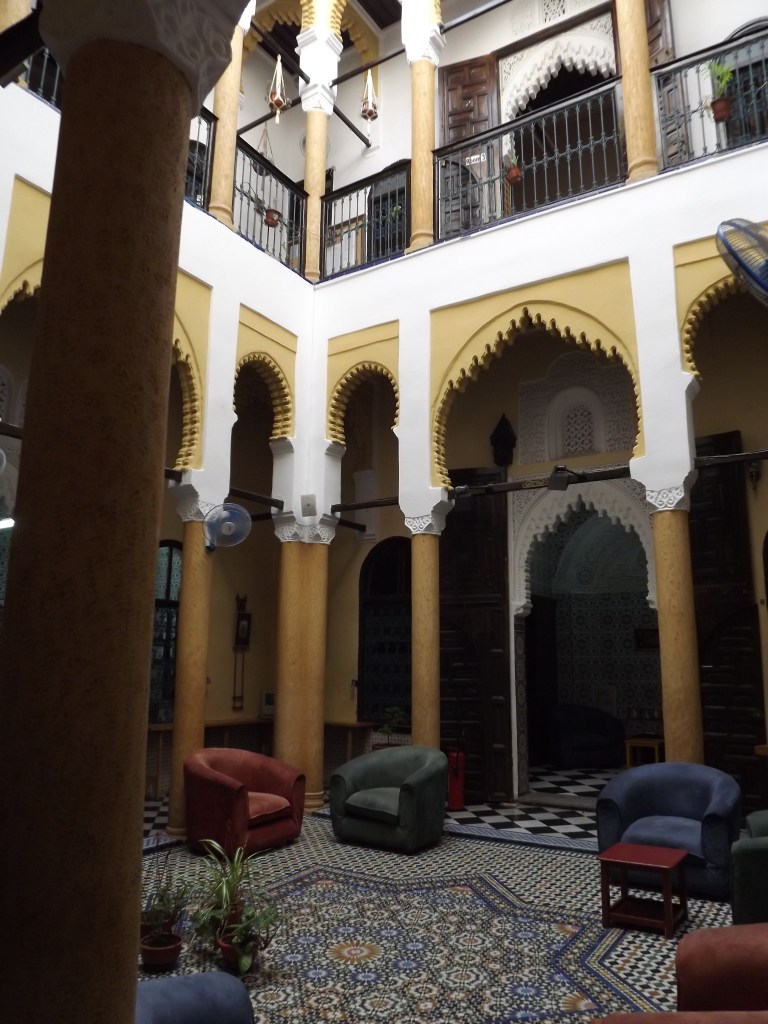
Some photos I took in Rabat of a particular space that I thought was very effective. The source of light was nicely distributed with balconies above to give that sense of free movement within a small amount of space. I also admired the detailed craftsmanship behind the arches and columns. What I adore about Moroccan architecture is how refined it is as well as the heavy use of mosaics and arabesques you find in almost all their interior spaces.

DSCF1574 DSCF1570